Rapid CNC prototyping
Machined prototypes built for the next design decision.
Use CNC prototyping when the part must be held, measured, assembled or tested. The drawing and intended function determine the material, setup and inspection plan.
Project fit
When a CNC prototype is the useful next step.
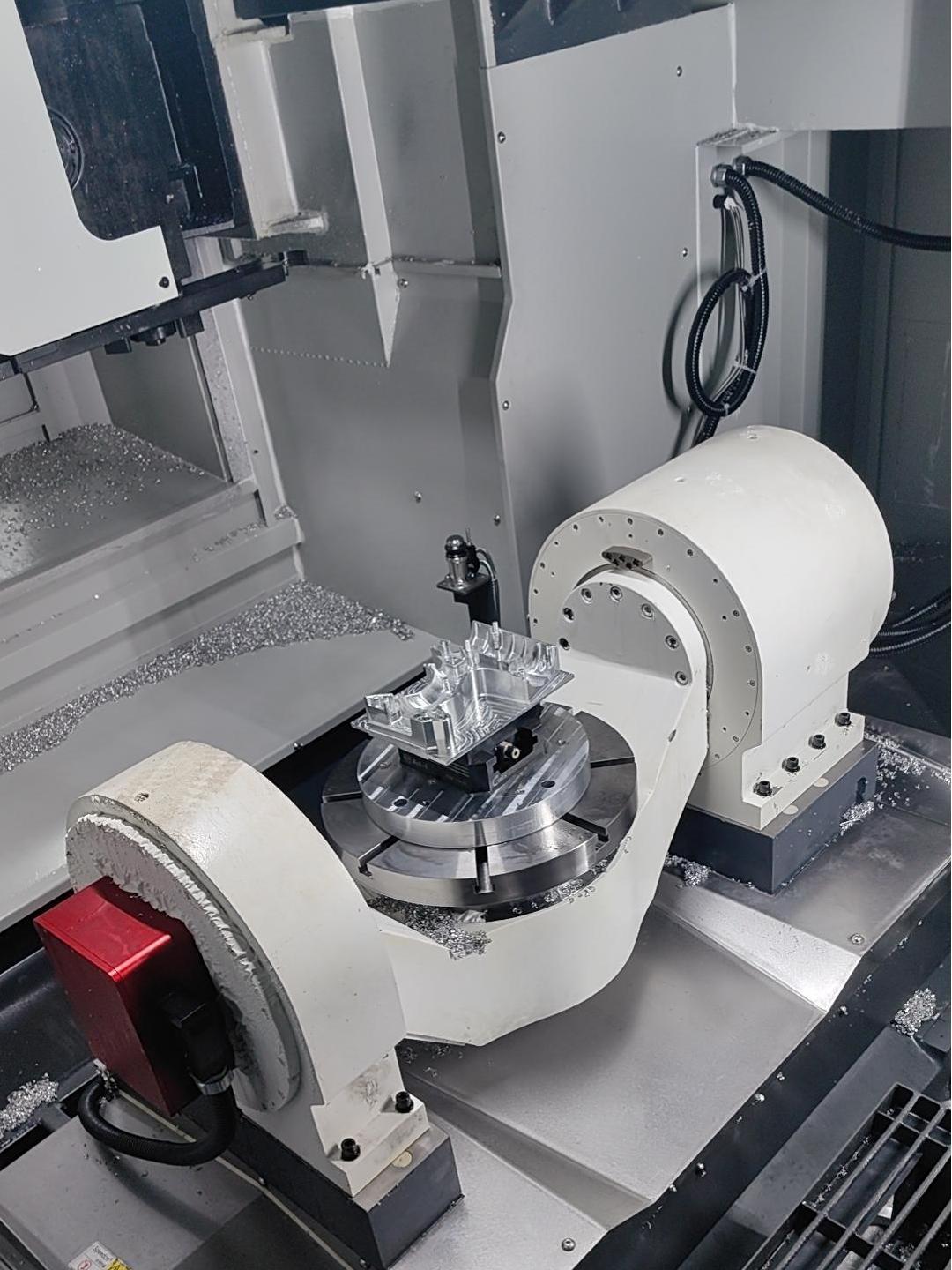
Prototype machining is most useful when the geometry or material has to behave like the intended part, not like a visual model.

- 01
Functional prototypes
Parts that need to be assembled, measured, loaded or tested before the design is released.
- 02
Design iterations
A revised geometry or material can be machined and checked against the previous revision.
- 03
Test fixtures
Custom holding and measurement fixtures for engineering tests and pilot builds.
- 04
Fit and form checks
Enclosures, brackets and housings can be checked against the assembly before a small batch is committed.
Method
What the prototype route can address.
The prototype route includes CNC machining and inspection, with prototype quantities quoted separately from production quantities.
Material-led testing
Where the design allows, prototypes are machined from the same material family as the intended production part.
Manufacturability review
Datum structure, tool access, feature tolerances and finish requirements are reviewed before machining.
Milling and turning
The geometry determines whether the prototype is reviewed as a milling, turning or combined machining route.
Measured output
Critical features are inspected against the drawing, with any agreed inspection record compiled before shipment.
Indicative timing
A simple aluminum prototype is typically about 3 days in machining, subject to geometry, material availability, finishing, inspection and factory scheduling.
Useful inputs
What to send with a prototype enquiry.
A prototype can start before every production detail is frozen, but the design intent and decision criteria need to be clear.
- 01CAD model and the drawing revision that applies.
- 02Intended material or the functional requirement the material must meet.
- 03Critical dimensions, datum scheme and the fit or test the part must pass.
- 04Prototype quantity and room for design iterations.
- 05Required finish and inspection output.
- 06Target date and shipping destination for the quotation.
Related information
Keep the manufacturing route connected.
Next step
Need just one custom part? Send the drawing.
Include the project stage, quantity, material, critical tolerances, finish, target date and shipping destination. Typical quotation turnaround: 1–2 days after receiving complete project information.