Precision manufacturing · Shenzhen · Since 2015
Turning ideas into parts that hold tolerance.
AMPROTO machines metal and engineering plastic components for optics, drones, telecom equipment and watch brands. Design support, prototyping, machining and finishing are quoted as one production route, not four separate suppliers.
- Founded
- 2015
- Location
- Shenzhen, China
- Milling
- 3 to 5 axis
- Precision
- to ±0.001 in
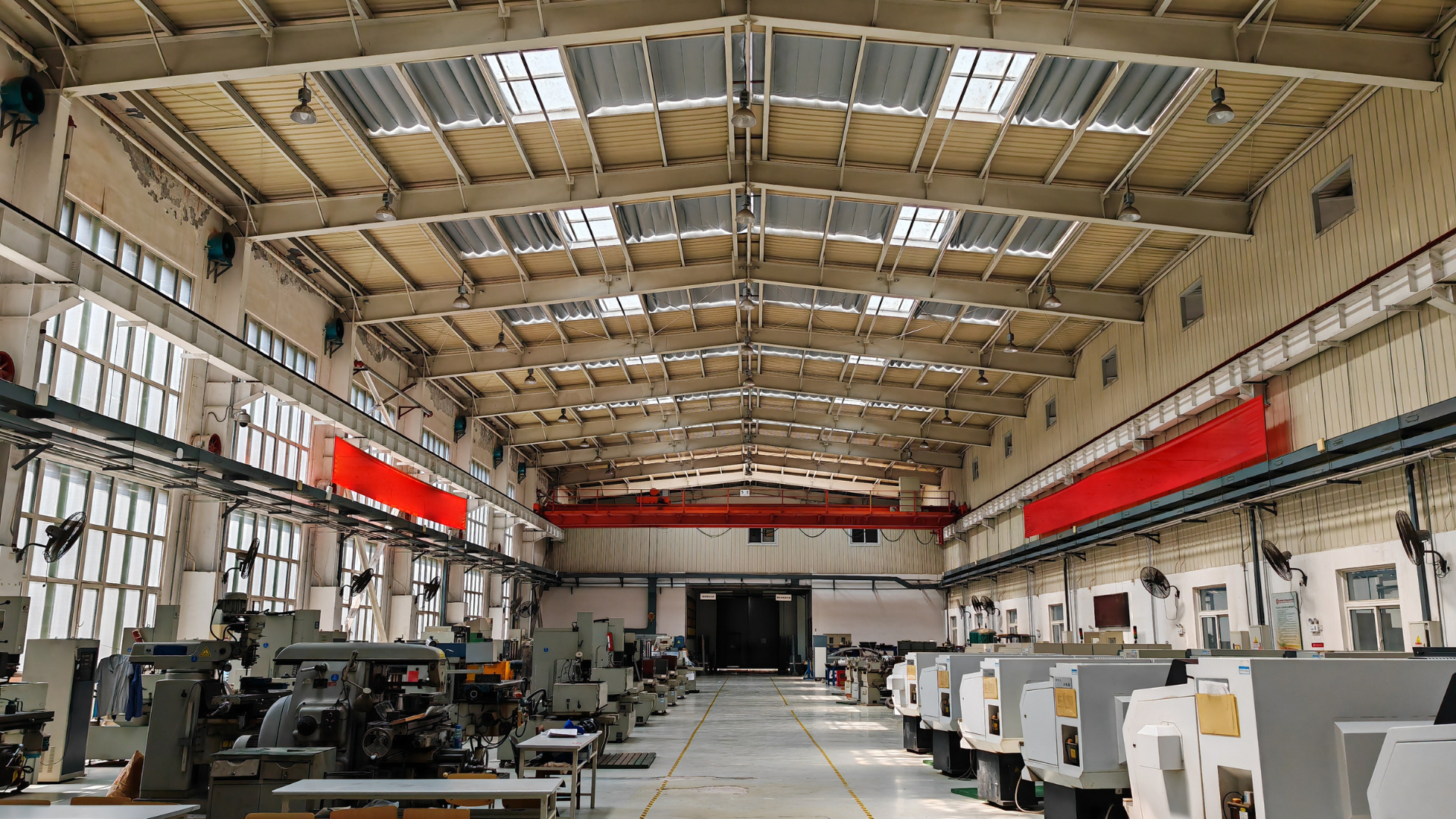
01 — Manufacturing scope
Four processes, one production route.
Machining, additive manufacturing and finishing are quoted together, so a part does not lose its tolerance between suppliers.
- 01
CNC milling
Three-, four- and five-axis milling of metal, plastic and composite parts, from prototype geometry to repeat production.
Specification - 02
CNC turning
Lathe work with live tooling, so turned and milled features can be produced in one setup on cylindrical parts.
Specification - 03
Surface finishing
Twelve finishing processes covering colour, wear resistance, corrosion resistance and cosmetic preparation.
Specification - 04
Additive manufacturing
SLA, SLS, SLM, MJF and DLP printing through additive manufacturing suppliers, for prototypes and low-volume functional parts.
Specification
02 — Stated limits
84 × 40 × 30 in
Maximum work envelope on the milling side
ISO 2768
General tolerance basis where the drawing does not call tighter
5–22 days
Milling lead time, depending on requirement
03 — Sectors
The tolerance strategy follows the sector.
An optical housing, a drone bracket, a telecom enclosure and a watch case are measured against different definitions of a good part.
- 01
Precision optics
Metal components for optical assemblies, where alignment features and bore geometry decide whether the optical stack performs.
- 02
Drones and UAV
Lightweight structural components where stiffness, weight and repeatability all matter at the same time.
- 03
Telecom equipment
Precise metal parts for networking and communication hardware, including components that must hold stability under load.
- 04
OEM watch
Cases, bracelets, clasps and dial components for watch brands, including stone dials and specialist metal treatments.
04 — Route to production
From drawing to repeatable batch.
- 01
Send the brief
Drawing or model, material, tolerance callout, quantity and target date.
- 02
Manufacturing review
Tolerances are checked against the route, and anything unbuildable or over-specified is raised before quoting.
- 03
Prototype or first article
Parts are machined, measured against the drawing and reported back before a batch is released.
- 04
Production
The approved setup is repeated, with inspection at stages through the run rather than only at the end.
05 — Inspection
Measured at stages, not at the end.
No certification is claimed on this site until the certificate is supplied.
- Design review
- Critical dimensions, datum structure and tolerance callouts are reviewed before programming, so a drawing that cannot be inspected is caught before machining starts.
- In-process inspection
- Parts are inspected at stages during production rather than only at the end, so a drift is corrected while the setup is still on the machine.
- Final inspection
- Finished parts are measured against the drawing and the agreed specification before packing. Results are supplied with the shipment.
- Assembly check
- Where AMPROTO assembles the product, fit and function are checked during build, so a stack-up problem surfaces before the unit is closed.
06 — The company
AMPROTO PRECISION has been machining parts in Shenzhen since 2015.
The workshop was set up for CNC manufacturing and rapid prototyping, and has stayed on that scope: metal and engineering plastic components, quoted against a drawing, inspected against the same drawing.
Next step
Start with a drawing and a quantity.
Send the part, the material, the tolerance callout and the quantity. The reply is a manufacturing review and a quotation, not a brochure.